Scaling personalized coaching with online assessment data analytics

Written January 26, 2026, by Dr. Imed Bouchrika, PhD & BSc

There is a problem with the traditional approach of corporate coaching. Even though human-led coaching works, it is not scalable and is expensive to implement across an entire company. Mass-distributed digital material, on the other hand, often lacks the subtleties needed to actually change people’s behavior. 

The hard part for senior HR leaders and consultants is not choosing between digital reach and human impact, but integrating them in a way that works for everyone.


The problem with generic feedback loops

A major reason many scalability efforts fail is that they focus on material rather than context. It’s efficient to send a library of videos or articles to thousands of workers, but this rarely changes behavior because it fails to address the core reasons for poor job performance. For an intervention to really have an effect, it needs to be based on a person’s unique weaknesses or strengths.

This is where reviews for making decisions are crucial. Unlike regular quizzes that test your memory, these tools test how well you can make decisions in difficult situations. By modeling real-world problems, they build a large dataset that shows how competent people really are. 

By basing your coaching program on these findings, you can be sure that every automated suggestion will be appropriate for the user’s unique developmental requirements.

The sociology of trust in automated coaching

The way employees get help from computers has a deep sociological aspect. When you teach, trust is the currency. When a person thinks their feedback is being used by everyone, engagement goes down. 

On the other hand, when the output accurately shows their specific problems, the system gets credibility like a human teacher.

A 2025 MIT Sloan study shows that AI works best when it complements human skills rather than replaces them completely. 

According to the study, “augmentation” enables workers to perform tasks they couldn’t before, provided the technology is designed to improve human reasoning. In the context of coaching, this means you should use data analytics to make your best teachers more effective, not less effective.

Mechanisms for scaling personalization

To close the gap between raw scores and human understanding, we need to examine how automated coaching feels like one-on-one coaching.


The outcome-based mechanism

  • How it works: Users answer questions about their job or level of experience.
  • The output: It makes a report that fits that type perfectly (for example, “New Manager” vs. “Executive Leader”).
  • Why use it: It gives right away a sense of importance without needing complicated scoring reasoning.


The predictive signaling mechanism

To be an effective guide, you need to find problems before they turn into performance reviews. An online delivery model addresses this by keeping the diagnostic loop ongoing and untied to a specific time.

  • How it works: This system schedules assessments around important dates or achievements, rather than just once a year.
  • The output: Real-time feedback that comes in the middle of work, catching the user’s attention when they are most ready to learn.
  • Why use it: The “time to feedback” goes from weeks to seconds.

Interpreting the signal without a data science team

People often think you need a large team of technical experts to run these projects, but that’s not true. In fact, modern assessment platforms have made it easier for everyone to use complex logic engines.

For making complex predictive models, having a team member with an online master’s in data analytics is helpful. 

However, today’s no-code assessment tools let tech-savvy and non-tech-savvy HR leaders alike gain deep insights without advanced degrees. The attention has shifted from developing the technology to building the skills. 

The expert—the experienced coach or consultant—adds their knowledge to the scoring system just once, and the software will continue to use it.

Future-proofing your strategy for 2026

As we get closer to 2026, decision-making reviews will be a normal part of HR work. Companies that do well will see exams not as a way to hire people, but as a way to monitor the health of their business at all times.

The next wave of strategy will use predictive modeling to find skills gaps before they happen. Suppose there was a method that would let you know three months in advance if your sales team is losing the ability to negotiate. When HR takes the lead, it transitions from a support role to a strategic guiding system.

Designing the user experience

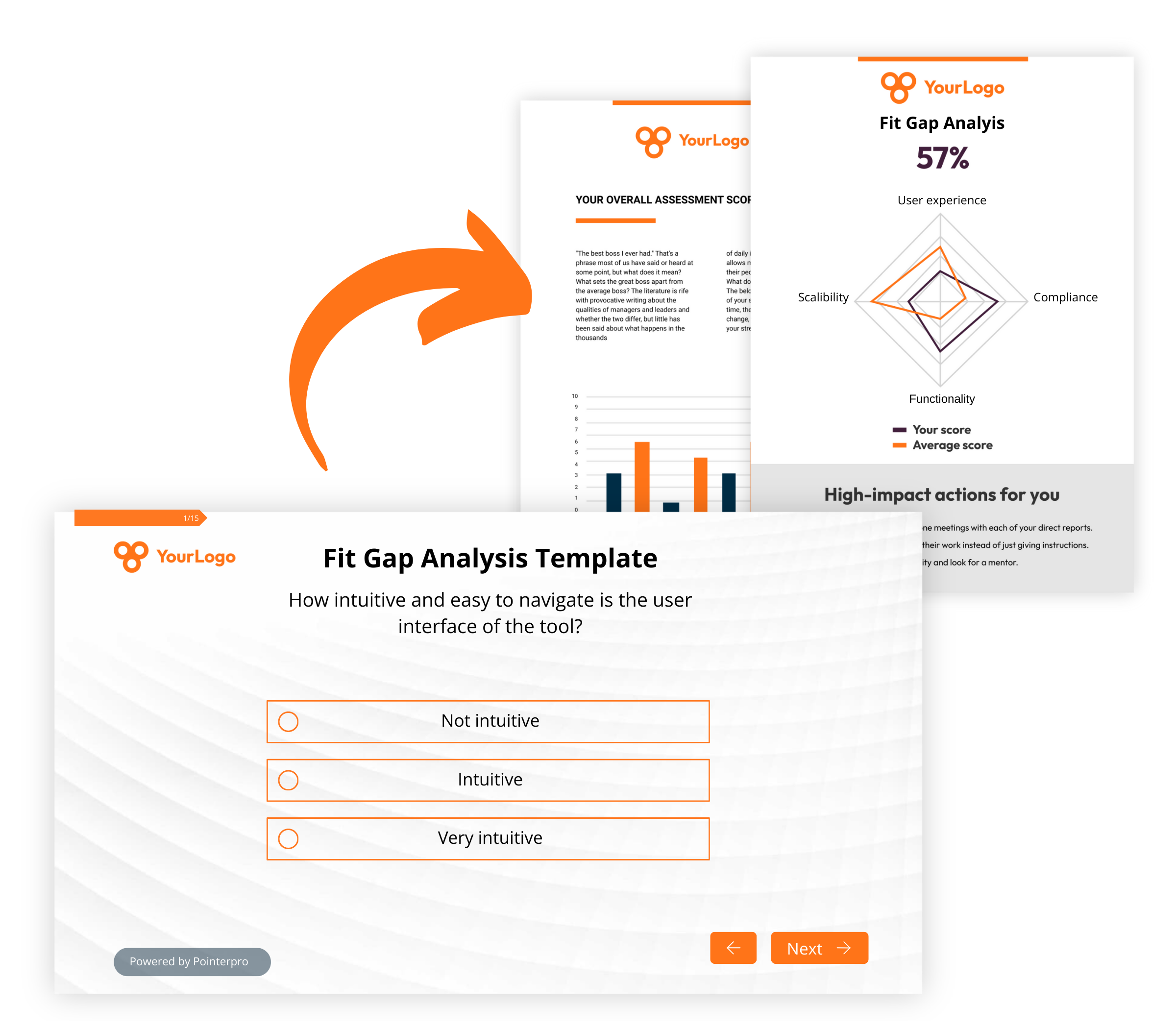
Lastly, how well these programs work depends on how easy they are to use. If the online interface is bad or hard to use, even the best coaching material won’t work. The testing area needs to look and feel current, respond quickly, and be considerate of the user’s time.

It’s possible that users subconsciously give feedback more weight when they deal with a polished, professional platform. This shows that the company is serious about its growth and wants to use the best tools available.


Key insights

  • Context is more important than content: Scalable teaching doesn’t work without a diagnostic front end that tailors the experience to each person.
  • Trust through accuracy: People only use automated tools when they feel the feedback is real and backed by data analytics.
  • Augmentation, not replacement: The goal is to make human knowledge more useful by making sure that all employees, not just those in the C-suite, can get high-quality coaching.
  • Democratized logic: You don’t need a PhD to build these tools; you just need to be able to think clearly and in a structured way.
  • Proactive signals: Find skill gaps in decision-making before they hurt the bottom line by using decision-making tests. 

Want to know more?

Subscribe to our newsletter and get hand-picked articles directly to your inbox

Please wait..
Your submission was successful!

Create your own assessment
for free!

People also ask

Pay attention to the tone of the reports you make. Use second-person language ("You tend to...") and ensure your logic lines cover a wide range of situations so the advice doesn't sound too general. Engagement comes as much from how you frame insights as from how you style them.

You can start to see useful trends with as few as 50 to 100 people, even though more is better. This is especially true if you are measuring specific skills within a focused team.

Instead of presenting raw numbers, focus on data visualization and explanation. Group related data points, use descriptive labels, and highlight key insights with color or typography. Even simple bar or radar charts can clarify meaning when paired with short, human-language takeaways. The goal is to help readers grasp implications, not just results.

Not at all. The goal is to give the digital tool basic information transfer and self-awareness work so that human coaches can focus on more important, more complex behavior problems.


Recommended Reading

About the author:

Dr. Imed Bouchrika - PhD & BSc

Professor Imed Bouchrika, PhD, is the Chief Data Scientist at Research.com. He helps shape the platform by using machine learning to organize academic research and experts across different disciplines.