

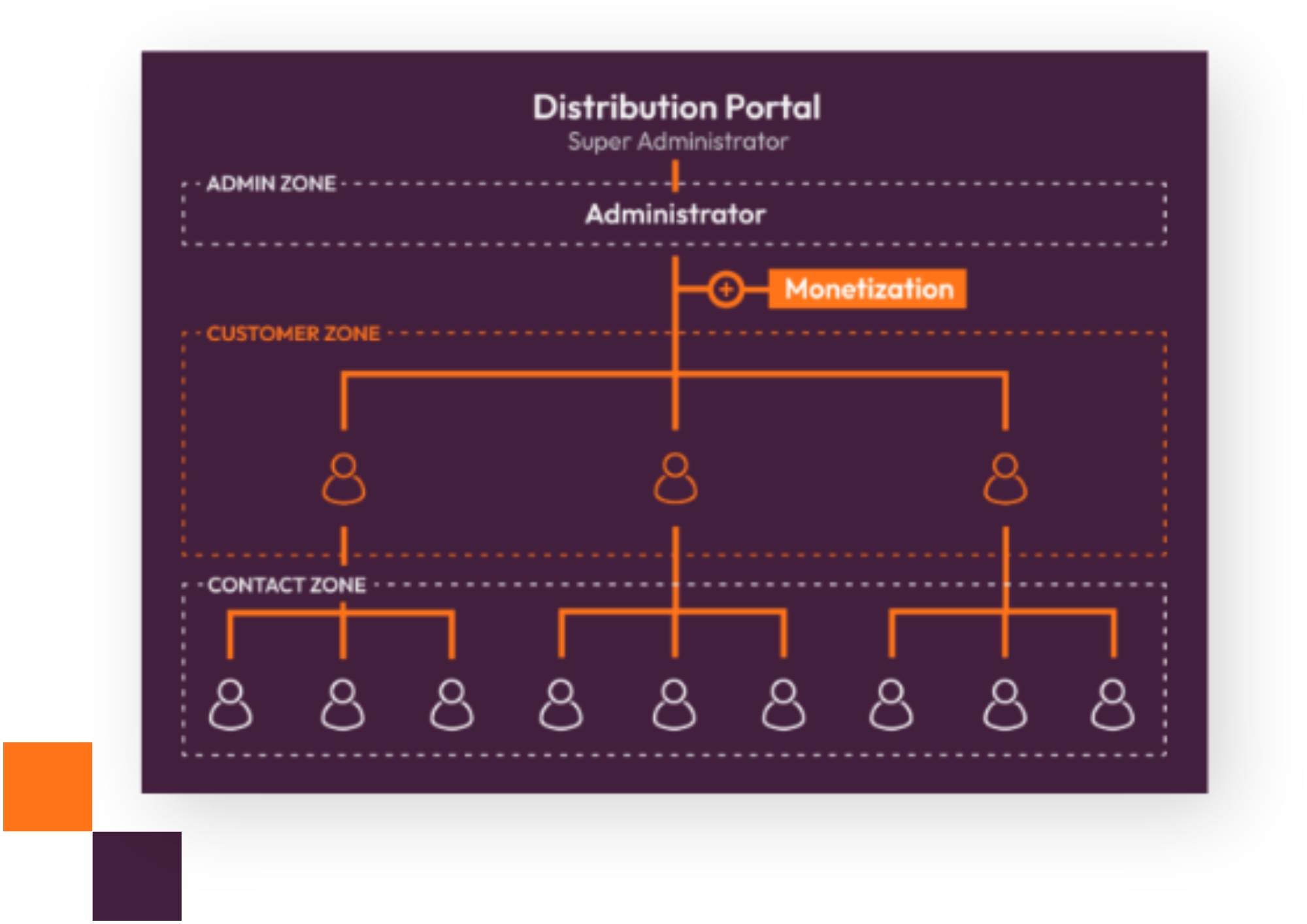
(I’ll break this down in more detail in the future, but this should give you an idea already)
Consulting and professional services firms face a persistent challenge: how to scale expert diagnostic work without sacrificing quality or personalization. Traditional discovery processes like interviewing stakeholders, analyzing data and synthesizing findings can take weeks per client and don’t differentiate firms in competitive pursuits.
Assessment software solves this by codifying diagnostic frameworks into automated tools that deliver personalized insights instantly. The result: consultants can diagnose more opportunities, demonstrate expertise earlier in the sales cycle, and create repeatable intellectual property that turns methodology into measurable business value.




Want to know more?
Subscribe to our newsletter and get hand-picked articles directly to your inbox

Healthcare providers, hospital networks, and private practices use assessment software to digitize patient intake, triage, risk screening, and treatment readiness evaluations.
Instead of relying solely on in-person consultations, structured digital assessments collect patient-reported data in advance and automatically flag high-risk responses. This allows clinicians to prioritize care, personalize treatment plans, and improve operational efficiency.
Common use cases include:
- Mental health screening questionnaires
- Chronic disease risk assessments
- Lifestyle and preventive care evaluations
- Treatment eligibility or readiness checks
The main value lies in combining clinical expertise with automation: patients receive tailored guidance immediately, while healthcare professionals gain structured data that supports faster and more informed decision-making.
Insurance companies use assessment software to standardize underwriting, risk profiling, and customer onboarding processes.
By translating actuarial models and eligibility rules into interactive assessments, insurers can:
- Evaluate risk profiles consistently
- Generate personalized policy recommendations
- Automate eligibility pre-checks
- Provide instant premium indications
Beyond underwriting, insurers also deploy assessments for claims intake and fraud risk screening. Structured questionnaires ensure consistent data capture while reducing manual review time.
The result is a more scalable, data-driven approach that improves accuracy while enhancing the customer experience through faster, clearer outcomes.
Associations and NGOs use assessment software to evaluate member needs, measure program impact, and drive engagement at scale.
For professional associations, assessments can help:
- Benchmark member capabilities
- Identify training needs
- Provide certification or accreditation readiness checks
For NGOs and nonprofit organizations, assessment tools often measure:
- Community needs
- Program outcomes
- Organizational capacity
By automating reporting and aggregating data across participants or regions, these organizations gain stronger evidence for funding applications and stakeholder reporting — while delivering personalized feedback to members or beneficiaries.
Yes . Executive education providers and business schools increasingly use assessment software to enhance participant journeys.
Common applications include:
- Pre-program readiness diagnostics
- Leadership capability assessments
- Entrepreneurial mindset evaluations
- Post-program impact measurement
Assessments help faculty tailor program content to cohort needs and provide participants with personalized development insights.
They also enable institutions to demonstrate measurable learning impact — an important differentiator in competitive executive education markets.
The scalability of assessment software comes from its ability to codify expertise into structured logic and automated reporting.
Three characteristics make it universally applicable:
- Structured frameworks – Turning professional methodologies into question logic and scoring models
- Automated personalization – Delivering tailored reports instantly based on responses
- Aggregated insights – Combining individual data into group-level dashboards for strategic decision-making
Because many industries rely on expert diagnosis followed by tailored advice, assessment software becomes a bridge between expertise and automation — enabling organizations to deliver high-value insights without linear time investment.



About the author:

Stefan Debois
Stefan is an engineer at heart, a consultant in spirit and a CEO in action. After 15 years in Enterprise Software consulting at IBM and CSC, he founded Pointerpro to empower professional service providers with an assessment platform to scale their expertise and business.